
NOTES FROM
THE FIELD.
An account of how Otaleven Letters came to exist, and the editorial principles that have shaped it since the first issue.
An Independent Record of Considered Eating
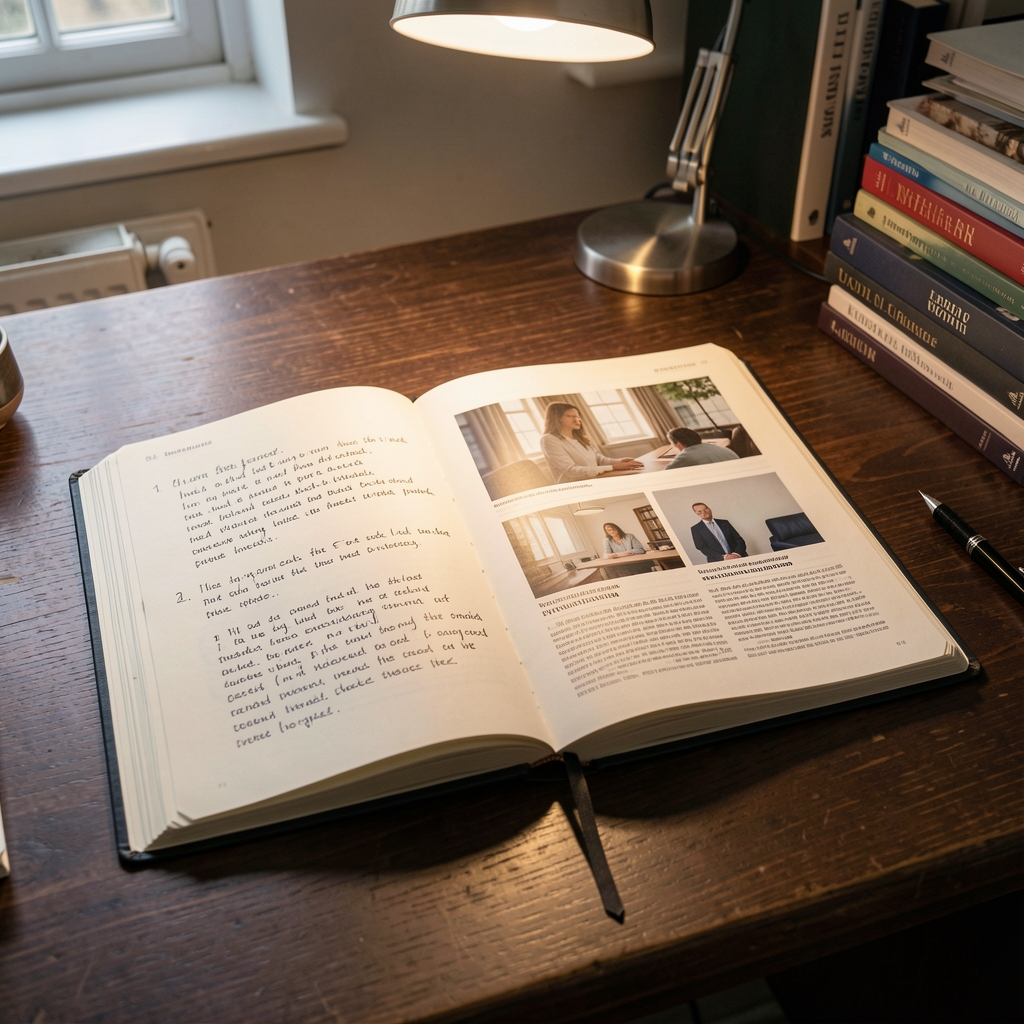
Otaleven Letters began as a personal project in the winter of 2025 — a notebook kept by Beatrice Marsden during a period in which she was paying deliberate attention to the relationship between seasonal eating, kitchen practice, and the particular rhythms of daily life in London. The notebook became a journal. The journal attracted readers. The readers asked for more.
The publication's name reflects its origins: a set of letters written to no one in particular, then to readers who found their way to them through shared interests in diet and nutrition, everyday nutrition writing, and the quieter aspects of a considered food life. The editorial position has not changed since the first issue: Otaleven Letters reports on what it observes, cites what it finds in published research, and writes in a register that regards the reader as an adult capable of drawing their own conclusions.
The journal is not affiliated with any brand, product, or commercial interest. Articles are commissioned and edited without reference to the dietary preferences of any advertiser, because there are none. The editorial team consists of writers with backgrounds in food journalism, nutrition writing, and daily recipe practice — not in any registered profession, but in the sustained, attentive observation of how people actually eat.

The Editorial Team

Beatrice Marsden founded Otaleven Letters following ten years of food writing in print and online publications. Her editorial work draws on a background in nutrition writing and the study of food cultures across Europe. She writes the journal's principal articles and oversees all editorial selection.

Tobias Ashcroft brings a background in nutrition journalism and eating behaviour writing to the journal. His contributions focus on the practical and observational dimensions of portion awareness, mindful eating, and the everyday psychology of food choices.

Harriet Caldwell's editorial focus is whole-food cooking, fermentation practice, and the seasonal kitchen. Her work at Otaleven Letters documents the practical realities of a gut-friendly, plant-centred kitchen across different seasons and life circumstances.
What the Journal Covers
Considered observations on diet and nutrition, healthy eating habits, and the everyday decisions that constitute a balanced approach to food. The journal references published nutrition research without overstating its conclusions.
Field notes on seasonal cooking, the rhythms of the market, and how a kitchen organised around seasonal vegetables and fruits develops different habits from one organised around shelf-stable convenience products.
Examination of mindful eating, portion control, and the quieter practices — pace of eating, attention to hunger signals, plate composition — that shape the daily eating experience without requiring a formal programme.
Documentation of whole-food cooking, fermentation practice, and gut-friendly recipes as they apply to an ordinary working kitchen. Notes on what the practice produces over months of sustained attention.
The relationship between an active lifestyle, sport and fitness, and the nutritional requirements of the body in regular movement. Notes on fuelling an active week through whole foods and considered meal planning.
Practical approaches to meal planning, the weekly shop as a structural practice, and the ways in which advance preparation supports a consistent, considered approach to everyday nutrition across a working week.
The Editorial Process
Writers propose subjects drawn from direct observation: a season's cooking, a change in eating pattern, a particular aspect of nutrition writing that warrants closer examination. Subjects are selected by the editor for their fit with the journal's documented areas of interest.
Writers consult published research and cross-reference observations against the existing literature before drafting. Claims are stated with appropriate qualification. The journal does not report single studies as definitive findings.
Each article is reviewed by at least one additional editor before publication. Reviews focus on factual accuracy, register, and adherence to the journal's editorial standards. Corrections are made and logged.
Published articles remain on the site with any corrections noted inline. Significant factual errors are corrected and flagged with a dated correction notice. The journal maintains a corrections log available on request.
From the Archive


Correspondence and Submissions
The editorial office welcomes letters, observations, and submissions for consideration. Writers with a background in nutrition writing, food journalism, or the observed practice of everyday eating are encouraged to write.